
Central Air for Homes With Radiators: Mini-Splits vs. High-Velocity
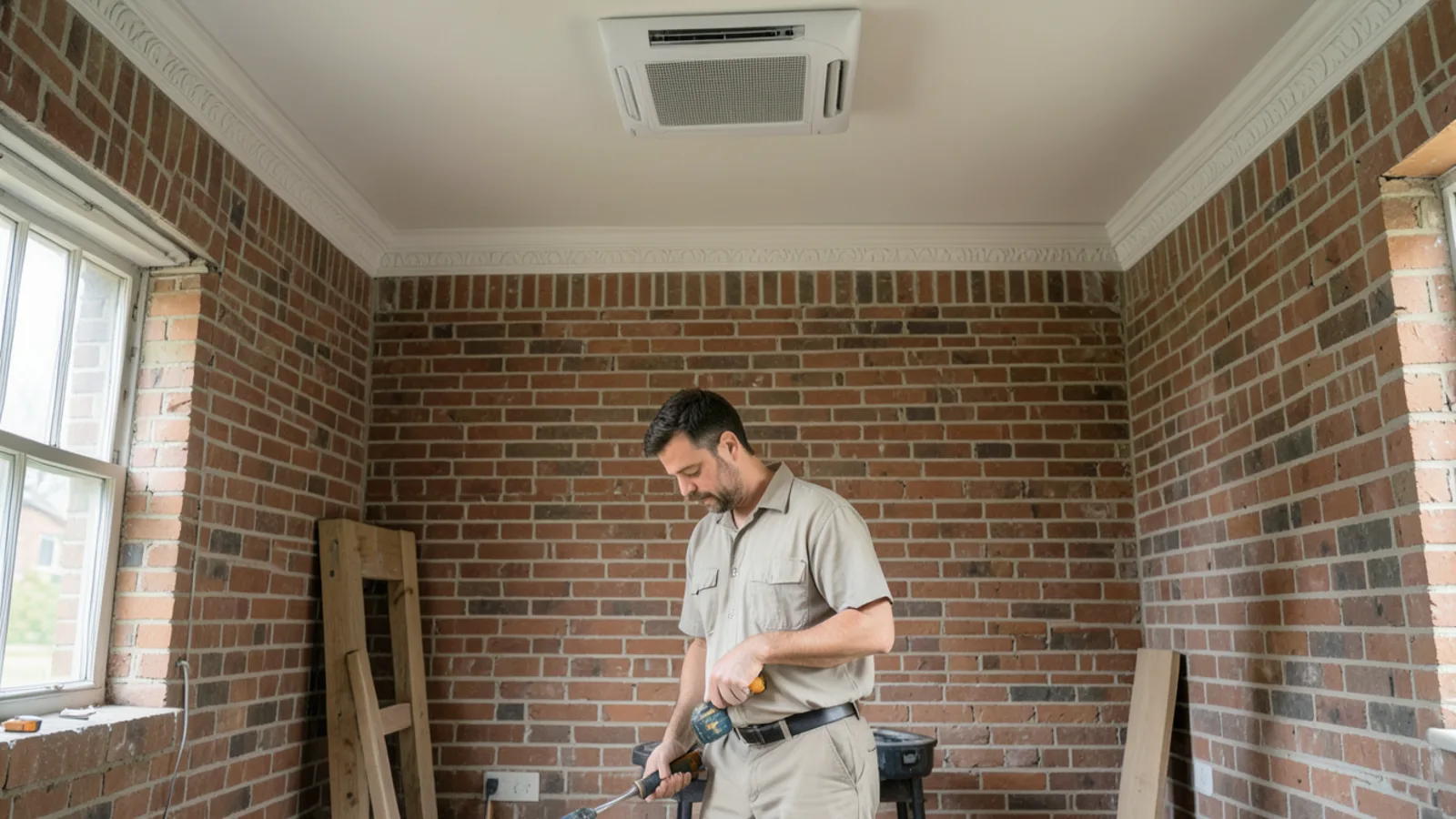
Historic homes in Hinsdale, Western Springs, and La Grange built with cast-iron radiator heating can enjoy whole-home central air conditioning without invasive sheet metal ductwork: homeowners can install ductless multi-zone mini-split systems offering independent room temperature control, or compact high-velocity mini-duct systems (SpacePak / Unico) that distribute chilled air through 2-inch flexible tubing threaded through interior closets and wall cavities.
Historic homes in the west suburbs are celebrated for their architectural character: quarter-sawn oak woodwork, plaster crown moldings, high ceilings, and solid cast-iron radiators that deliver gentle radiant heat all winter. But when humid Chicagoland summers arrive, these un-ducted homes quickly turn into stifling hotboxes. For decades, homeowners had only two choices: noisy, inefficient window units that damaged sills, or invasive drop-ceilings and bulkheads that destroyed vintage plaster. Today, two modern cooling technologies deliver whole-home comfort while preserving historic interiors.
Call our Hinsdale dispatch line to connect with an independent heating or cooling contractor serving your west suburb today.
Option 1: Ductless Multi-Zone Mini-Split Heat Pumps
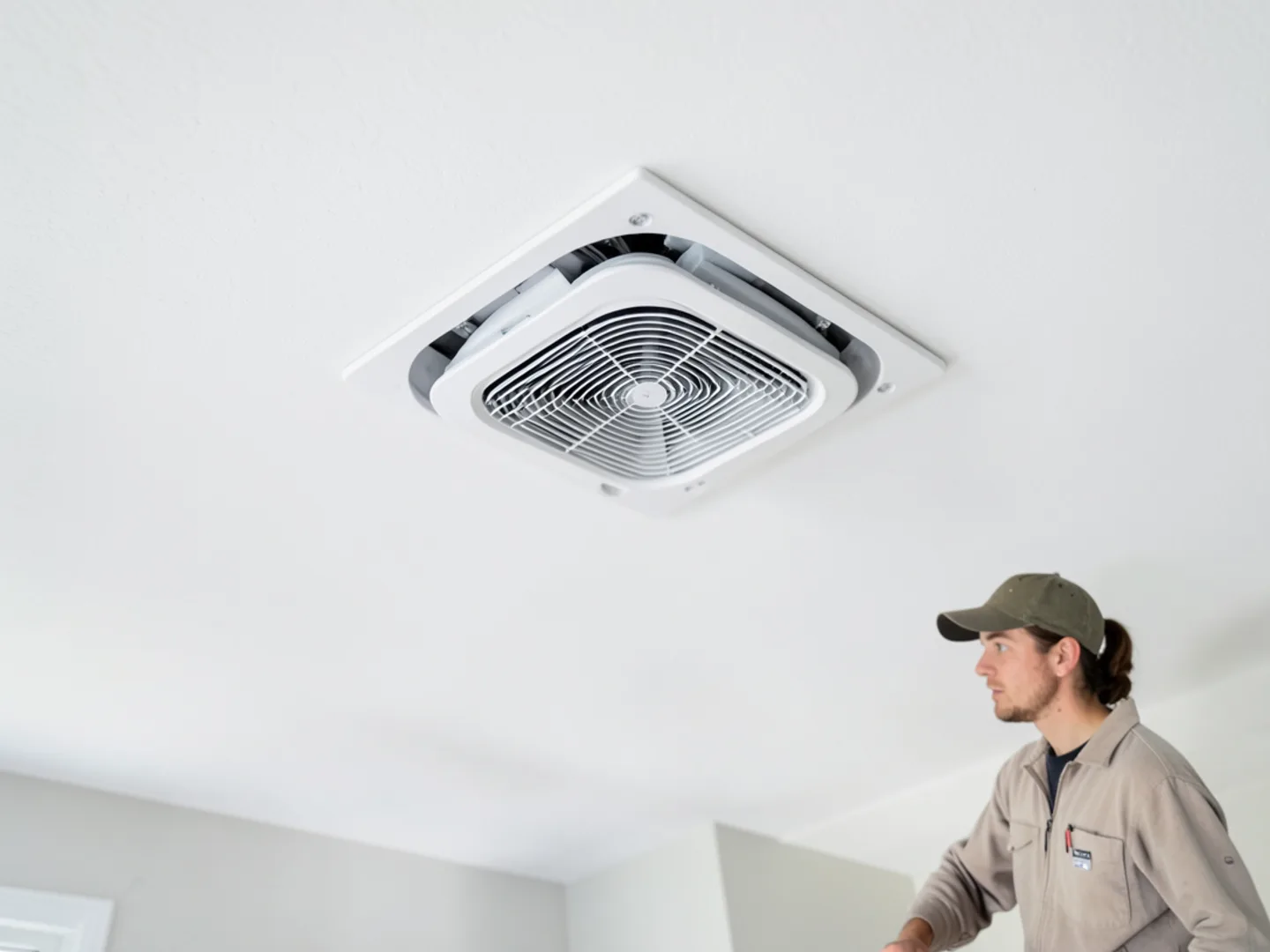
Ductless mini-splits represent the fastest-growing cooling solution for historic radiator homes. A single slim outdoor inverter heat pump connects via small 3-inch conduit lines to multiple independent indoor air handlers mounted high on walls, recessed flush into ceilings, or positioned low like modern European radiators. Each room or "zone" has its own dedicated remote thermostat, allowing family members to cool only the rooms they occupy. Inverter-driven variable-speed compressors modulate refrigerant flow in precise increments to match real-time thermal load, running continuously at low wattage to deliver superior summer dehumidification and whisper-quiet operation.
Option 2: High-Velocity Mini-Duct Systems (SpacePak & Unico)
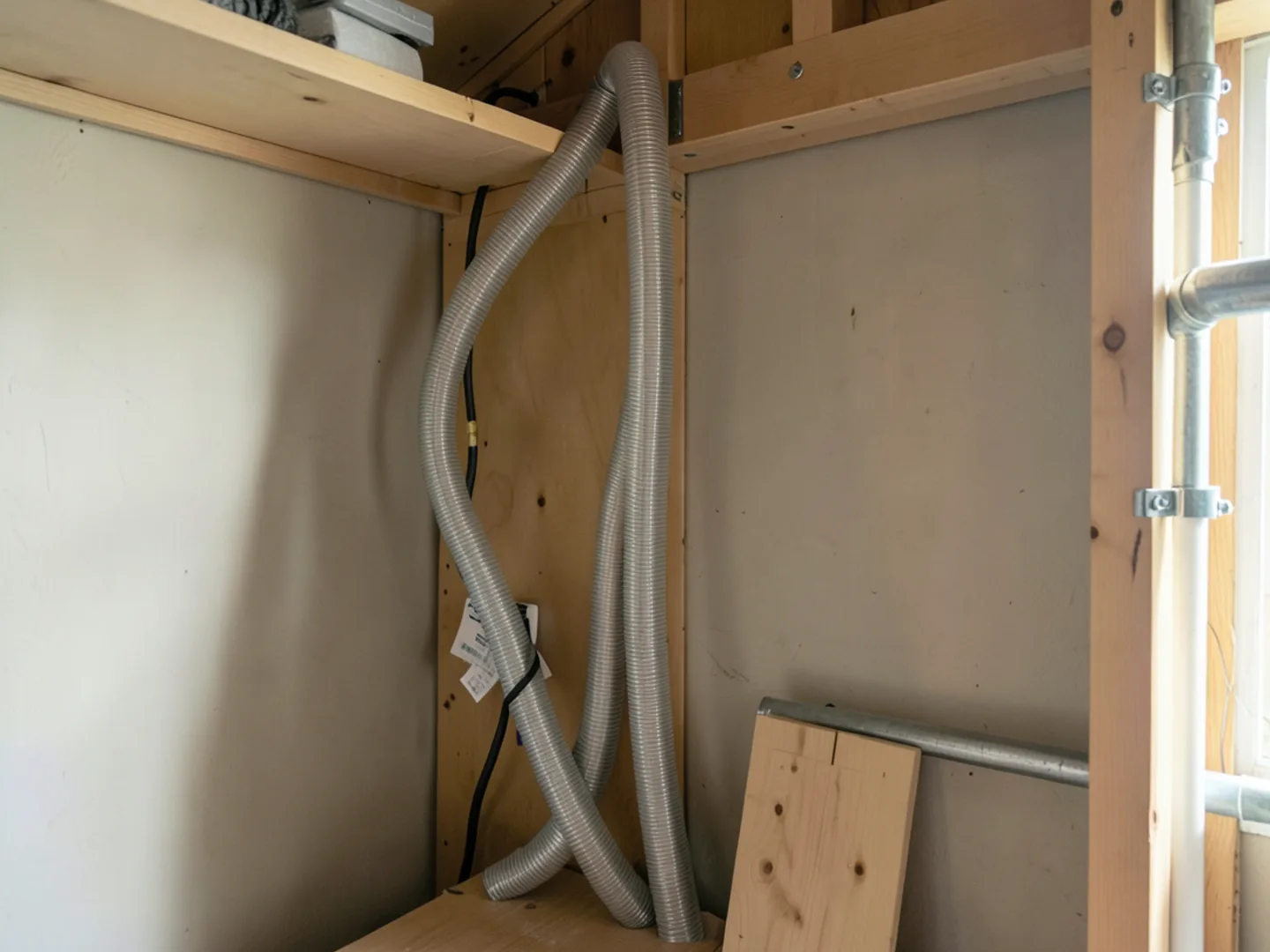
High-velocity systems are engineered specifically for homes built before modern ductwork. A compact air handler installed in an attic or basement pressurizes air, sending it through small, flexible 2-inch insulated tubes that snake through wall studs, floor joists, and closet corners. Chilled air enters living spaces through small, discrete circular outlets (about the size of a coffee cup saucer) that can be painted or fitted with stained wood rings to blend seamlessly with historic ceilings. Unlike conventional low-pressure ductwork that dumps air into a room, high-velocity nozzles utilize aspiration physics: high-velocity air streams gently draw existing room air into their path, creating uniform, draft-free circulation and eliminating temperature stratification between floor and ceiling.
Comparing the Two Approaches Head-to-Head
Review this comparative analysis of ductless mini-splits versus high-velocity systems for radiator-heated homes:
| Comparison Criteria | Ductless Multi-Zone Mini-Split | High-Velocity Mini-Duct (SpacePak/Unico) |
|---|---|---|
| Visual Appearance | Sleek wall-mounted indoor units visible in each room | Discrete small circular ceiling vents; equipment hidden |
| Room-by-Room Zoning | True independent zone control per indoor head unit | Single whole-house thermostat (or dual-zone dampening) |
| Energy Efficiency | Exceptional efficiency (up to 20–28+ SEER2 ratings) | High efficiency (typically 14–17 SEER2 ratings) |
| Heating Capability | Can provide secondary heat down to -15°F (dual-fuel) | Primarily cooling; heating coils can be added to handler |
| Dehumidification | Excellent variable-speed humidity extraction | Superior moisture removal via high-velocity air aspiration |
| Installation Impact | Minimal; requires single 3-inch hole through exterior wall | Moderate; small flexible tubes routed through closets/attics |
Architectural Preservation & Historic Considerations
When retrofitting cooling into historic homes in Western Springs, La Grange, or Elmhurst, preserving vintage finishes is paramount. Technicians map tubing routes through dead closet corners, crawlspaces, or secondary stairwells to avoid cutting into ornate plaster moldings or ceiling medallions. Furthermore, the existing boiler and radiators remain completely intact to provide superior radiant heating during winter, giving you the best of both worlds.
- ✓Closet Chase Utilization: Technicians route flexible 2-inch ducts through vertical corners of bedroom closets, boxing them in with trim so no ductwork is exposed.
- ✓Plaster & Molding Preservation: Small core drills cut clean 2-inch holes without cracking vintage horsehair plaster or disturbing decorative crown moldings.
- ✓Dedicated 240V Electrical Service: Technicians verify panel amperage capacity for outdoor inverter condensers, recommending subpanel additions where vintage 100A service exists.
- ✓Dual-Fuel Comfort: Retaining your cast-iron radiator boiler loop maintains gentle, radiant hydronic warmth during subzero January freezes, while new cooling handles humid summers.
Attributed Cost Context for Historic Retrofits
Because historic cooling retrofits involve customized routing and multi-zone hardware, pricing depends on home square footage and the number of living zones. Attributed regional benchmarks in DuPage County range from $8,000 to $16,000 for a 3- to 4-zone ductless system, while complete high-velocity whole-home systems typically range between $12,000 and $22,000+ installed. Many qualify for substantial ComEd energy efficiency rebates.
📚Sources & Technical References
- Historic Home Cooling Standards— HVAC retrofits in historic buildings and preservation ethicsNational Park Service (Preservation Brief 24)
- High-Velocity System Engineering— Aspiration physics, static pressure, and 2-inch duct routingSpacePak / Unico System Engineering Guide
- Ductless Heat Pump Sizing & Efficiency— Inverter multi-split design protocolsAir Conditioning Contractors of America (ACCA Manual S)
Frequently Asked Questions
No. Your existing boiler and cast-iron radiators remain in place and functional. Radiant heat is widely considered the most comfortable heating method; adding mini-splits or high-velocity ducts simply provides whole-home cooling during hot summers.
Published by the Quality Heat and Air dispatch desk in Hinsdale, IL. Content is compiled from field diagnostics across Cook and DuPage counties, adhering to ACCA Manual J/S/D sizing criteria, Nicor Gas and ComEd energy efficiency guidelines, and local municipal mechanical codes.